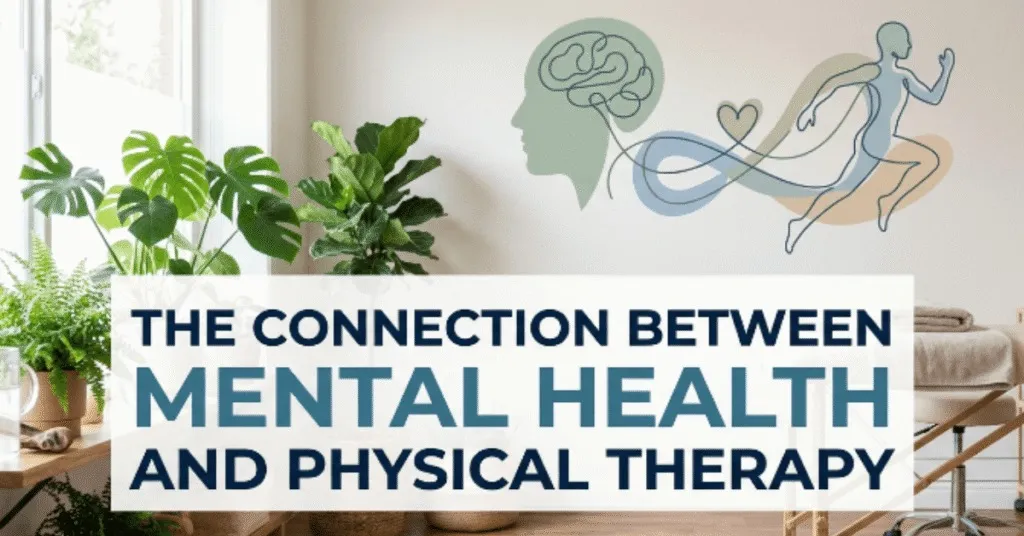
Physical rehabilitation and mental wellbeing work together as one process, not two separate treatment paths. Physiotherapy restores strength, mobility, and function in the body. It lowers stress, improves mood, and rebuilds confidence. Physical symptoms and emotional states share the same nervous system pathways. At Simplex Physiotherapy in Koo Wee Rup, physiotherapists treat physical injuries and the emotional distress that comes with them in the same session, using manual therapy, exercise programs, and breathing exercises.
There are 4 main benefits of combining physical rehabilitation with mental wellbeing support: reduced muscle tension, improved mood through endorphin release, lower cortisol levels, and better sleep quality. Physiotherapy is used for anxiety and stress, depression, and the psychological effects of chronic pain, alongside standard injury recovery. A typical treatment plan draws on 5 core components: manual therapy, exercise therapy, relaxation techniques, pain management strategies, and postural training.
Understanding the Interplay Between Mental and Physical Health
The World Health Organization (WHO) defines health as physical, mental, and social well-being, not the absence of disease alone. Mental health and physical health influence each other directly. Stress, anxiety, and depression produce physical symptoms such as muscle tension, pain, and fatigue. Chronic pain and physical injuries produce emotional distress, frustration, and low mood. This two-way relationship means a physiotherapy session can change both movement and emotional state in the same visit.
Key Points of the Connection
There are 3 key points in the connection between mental and physical health.
- Stress and Tension: Emotional stress produces physical symptoms, including neck, shoulder, and back pain.
- Pain and Mood: Persistent physical discomfort raises the risk of frustration, anxiety, and depression.
- Movement and Mood: Regular movement releases endorphins, lowers stress, and improves mood.
Physiotherapy combines physical treatment with attention to these psychological factors.
How Physiotherapy Supports Mental Health
Physiotherapy treats physical conditions. It supports mental health through 3 main mechanisms.
1. Alleviating Stress and Tension
Physiotherapy alleviates stress and tension through manual therapy, stretching exercises, and breathing exercises. Stress tightens muscles in the neck, shoulders, and back. Manual therapy releases this tension through hands-on techniques and improves circulation. Stretching exercises loosen tight muscles and support relaxation. Breathing exercises calm the nervous system and lower overall tension.
2. Promoting Regular Movement
Regular movement raises mood directly. Physiotherapists design exercise programs suited to each person’s condition and fitness level, so the movement stays manageable and consistent. This movement increases endorphin levels, reduces cortisol, and improves sleep quality, which supports mental health.
3. Building Confidence Through Recovery
Physiotherapy builds confidence through staged, achievable recovery goals. Pain and injury lower a person’s sense of control over their body. As strength and mobility return, patients gain confidence and a stronger sense of control over their health.
Physiotherapy Techniques Benefiting Mental Health
Physiotherapists use 4 techniques that support mental health while treating physical symptoms.
1. Exercise Therapy
Exercise therapy improves strength, mobility, and mood together. Guided, progressive exercise raises energy levels and reduces anxiety, and works well for patients with low energy or persistent worry.
2. Relaxation Techniques
Relaxation techniques such as diaphragmatic breathing and progressive muscle relaxation reduce stress and sharpen focus. Physiotherapists build these techniques into treatment sessions to support the nervous system and calm the body.
3. Pain Management Strategies
Pain management strategies reduce the psychological weight of chronic pain. Physiotherapists apply heat therapy, cold therapy, and gentle mobilisation to lower pain and support relief.
4. Postural Training
Postural training corrects the physical and emotional effects of poor posture. Poor posture causes physical discomfort and lowers self-esteem. Improved posture reduces pain and supports a stronger, more positive outlook.
The Role of Physical Activity in Mental Health
Physical activity supports mental wellbeing through measurable, biological changes. Regular, structured movement changes brain chemistry, hormone levels, and sleep patterns, and all three affect mood.
Benefits of Physical Activity
There are 4 main benefits of physical activity for mental health.
- Improves Mood: Releases endorphins and other mood-regulating chemicals in the brain.
- Reduces Anxiety: Regulates the body’s stress response and lowers cortisol.
- Boosts Energy: Reduces fatigue and lethargy linked to mental health challenges.
- Encourages Social Interaction: Group physiotherapy sessions and community exercise create chances to connect with others.
Physiotherapists give practical guidance on adding movement to daily routines, from short stretching sessions to structured Gym & Home Exercise Programs suited to individual goals.
Mental Health Conditions and Physiotherapy Approaches
Physiotherapy addresses 3 mental health conditions directly through targeted physical treatment.
1. Anxiety and Stress
Anxiety produces muscle tension, shallow breathing, and restlessness. Physiotherapy treats these symptoms with relaxation techniques, stretching routines, and movement exercises designed to reduce tension and restore calm.
2. Depression
Depression lowers energy levels, and movement feels difficult. Physiotherapy addresses this with gradual, achievable exercise plans that rebuild energy and confidence over weeks rather than days.
3. Chronic Pain and Its Psychological Impact
Chronic pain contributes to hopelessness and frustration over time. Physiotherapy treats this through pain management strategies, including manual therapy and patient education on self-care techniques.
Creating a Holistic Plan for Wellbeing
Physiotherapy treats the whole person, not isolated symptoms. At Simplex Physiotherapy in Koo Wee Rup, physiotherapists build treatment plans around each patient’s goals, lifestyle, and physical and emotional challenges. This approach combines manual therapy, exercise programs, relaxation techniques, and postural training into one plan, so physical recovery and mental wellbeing improve together. Patients who want a structured starting point can visit our physiotherapy clinic in Koo Wee Rup to build a plan suited to their own recovery goals.