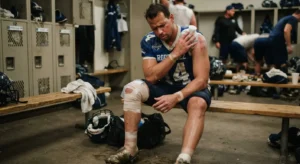
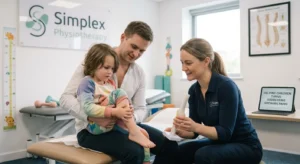
Surgery can be a big step to take on your health journey. After a total knee replacement, hip arthroscopy, shoulder reconstruction surgery or a spine surgery, the procedure is but the beginning. Structured post-surgical rehab is the REAL bridge between a successful surgical procedure and you getting back to your normal, pain-free life.
If you’re a resident of Koo Wee Rup seeking professional physiotherapy, it’s crucial to establish a clear, step-by-step recovery plan to safeguard the investment you made in your surgical procedure. The early days after hospital discharge can be stressful, but the local, evidence-based physiotherapy services help you to get back on your feet, moving and confident in a safe manner.
The Importance of Early Postoperative Rehabilitation
The immediate aims of the first few days and weeks after surgery are to control the immediate symptoms and to avoid complications such as stiffness, wasting of muscle tissue and deep vein problems. If not treated properly, early post-surgical pain may change your movement pattern and lead to compensatory patterns which can over-work other parts of the body.
Doing targeted post-operative rehabilitation at Koo Wee Rup brings a level of confidence to your recovery. Careful and safe stimulation of blood flow, cautious challenge of joint ranges and gentle re-activation of dormant muscles following surgical trauma, all in an hands-on clinical setting performed by a professional. Early rehab can provide you with a strong base for a rapid, clean and thorough recovery.
After an operation, the physiotherapist can help with the recovery process by adopting three stages in post surgery physiotherapy in Koo Wee Rup. Each patient is different and each surgery has a unique protocol. An effective recovery process, however, will typically be a multi-phase process that takes a structured approach and matches your body’s natural healing process.
Managing Pain and Restoring Mobility using Manual Therapy
In the immediate post-operative period, the primary concern is to protect, treat pain and reduce swelling. The muscles around your joints will be tight or weak and may be guarding the joint when it is painful.
In this early stage, your physio carefully performs hands on manual therapy. Gentle soft-tissue mobilization and passive range of motion (ROM) techniques improve early flexibility, while avoiding excessive tension on the healing surgical incisions. This hands-on care is essential to reduce your general discomfort, boost the circulation and ensure safer transition off of heavy post-surgical medications.

Targeted Exercise Rehabilitation To Build Strength
After the acute pain has subsided and any surgical wounds have healed and are no longer tender, attention is turned to an active recovery. Here, an individualized exercise rehabilitation program is at the centre of your treatment.
Muscle wastage happens very quickly when a person ceases to be physically active for a long time or does not move at all for a long time. Your physiotherapist will create a movement program that is designed to progress according to your physical abilities. In a progressive way, you will slowly re-strengthen the muscle support around the affected joint with targeted, low impact movements. The exercises during this stage are designed to help restore appropriate posture, muscle endurance in specific areas and re-establish joint stability in functional movements such as sitting, standing, and climbing.
Injury Prevention and Function: Long-Term
The last step of post-op recovery is to get beyond simple daily activities and look for a long life of physical health. When you can move without pain, it’s time to focus on full strength and conditioning.
During this stage, exercises are advanced to restore the strength of the entire body, balance and physical performance. The rehab you follow will be appropriate for the goals you set for yourself: Return to competitive local sports, work your garden, or simply be able to take a leisurely walk around the block. In addition, before you complete your formal treatment program, your physio will provide you with long-term injury prevention techniques and specific home exercise programs to help maintain this strong body function for years to come.
The Distance Factor
Koo Wee Rup and surrounding areas promptly provide home visit physiotherapy services.
Travel is one of the most difficult problems patients have after a big surgery. Driving is typically limited within the first few weeks after total joint replacement or spinal surgery and going to a clinic may be painful or exhausting.
This is an issue that we know and SimpleX Physiotherapy provides dedicated home visit physiotherapy services in and around Koo Wee Rup. This service takes the same quality, clinical experience to your living room. A qualified therapist can evaluate your home, make adjustments to the exercises based on your home, and offer important hands-on manual therapy that doesn’t require you to come out of the house. When mobility improves and a driver’s license is granted, you can easily move your care to a clinic where you can get the care you need.
Customizing Your Rehab: Clinical Pilates to Gym Programs
No one recovery is ever the same. As you progress in your post-operative recovery, adding a variety of proven treatment methods can have a huge impact on your results.
For example, Clinical Reformer Pilates is an outstanding instrument for patients who have undergone surgery. It provides a very controlled and low impact setting to restore deep core stability, alignment of the joints and flexibility of the movement patterns, without overloading the healing tissues.
Also, once you do enter a structured gym and/or home exercise program, you can make sure your progress continues outside the clinic walls. Through hands-on care and practical, real-world advice, local physiotherapy puts you in charge of your recovery so that you get better movement today and, ultimately, a stronger body tomorrow.
Frequently Asked Questions
-
When should I begin my physiotherapy after surgery?
Rehabilitation can start right after your surgery, depending on your surgeon’s recommendations. Early gentle movement and manual therapy are essential to limit swelling, avoid extreme joint stiffness, and protect your surgical incisions during healing.
-
What to expect at the first post-op physio appointment?
Your first consultation will focus on a full, non-threatening movement analysis. Your physiotherapist will thoroughly read your surgical notes, assess your ROM, take into account any swelling, and together with you, develop a treatment plan that is tailored to your needs and divided into milestones.
-
Will post-surgery physiotherapy be available at home if I can’t drive?
Yes. When travelling after your operation is a challenge, you can use home visit physiotherapy for convenient treatment. A licensed therapist will come to your home in Koo Wee Rup or in your general vicinity to offer important hands-on treatment, assist you to gradually recover, and lead you through a safe beginning to your recovery.